







Search Results for: single-origin black coffee
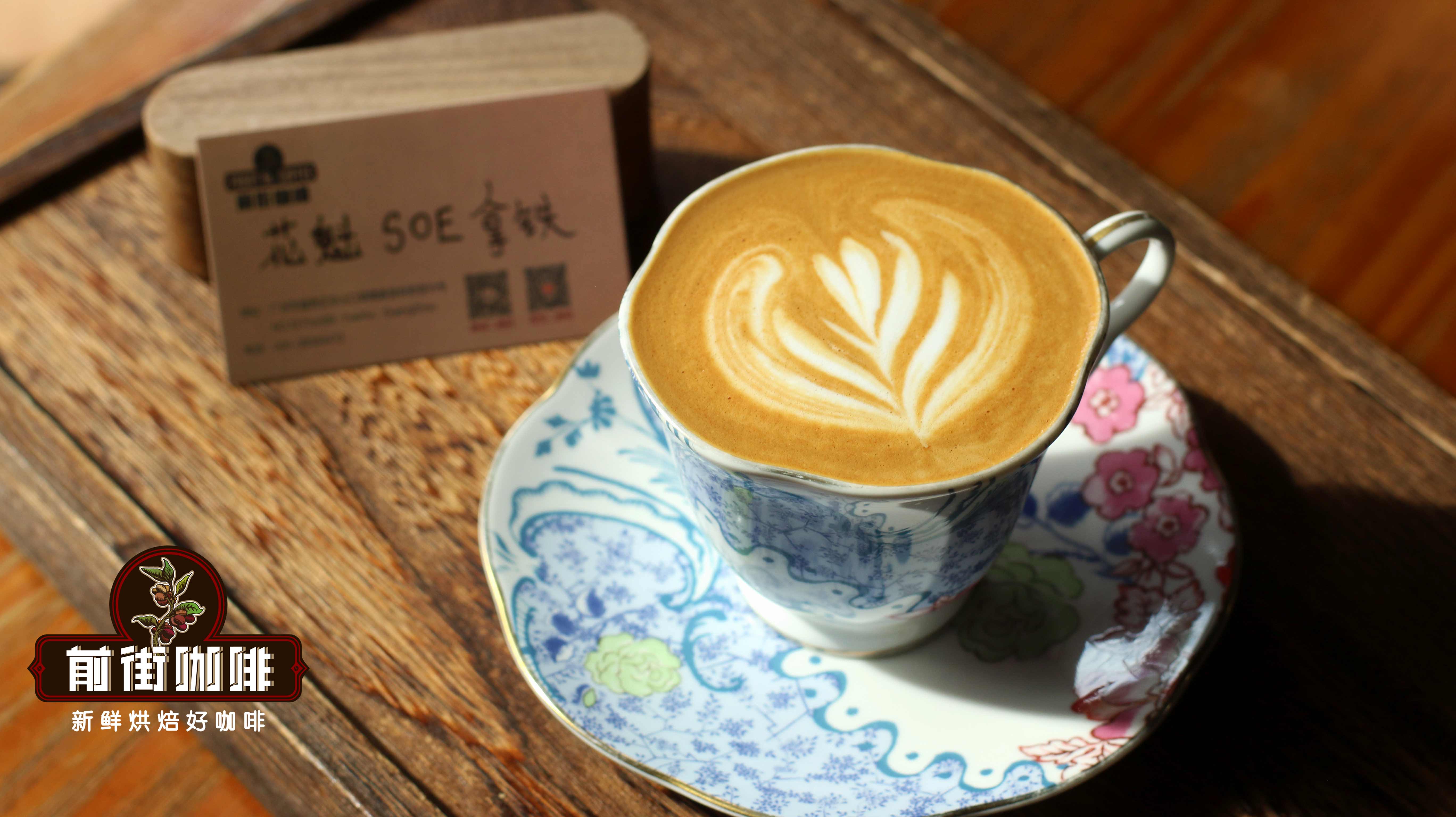
Is SOE Coffee the Same as Single-Origin Black Coffee? Explaining the Meaning of Americano SOE and a Guide to Choosing Espresso Beans
When ordering at a coffee shop, you may often see SOE latte or SOE americano options, but what exactly does SOE mean? Is it equivalent to single-origin black coffee? This article starts with the definition of SOE, sorts out its differences from traditional blend beans, explains SOE's characteristics and difficulties in extraction, and recommends three Front Street single-origin coffee beans suitable for making espresso, helping you better understand and choose SOE espresso beans. [more…]

Black Coffee Bean Varieties | What's the Difference Between Single-Origin Pour-Over Beans and Espresso Blend Beans? Can Espresso Blend Coffee Beans Be Used for Pour-Over Black Coffee?
With the development of specialty coffee, more and more people are falling in love with single-origin coffee. Two types of coffee have emerged on the market: single-origin coffee beans and blended coffee beans. Single-origin coffee beans are generally used for making pour-over coffee, though many specialty coffee shops also use single-origin coffee beans to make espresso. Blended coffee beans [more…]

Black Coffee Definition Analysis: The Difference Between Long Black and Black Coffee, and How They Compare to Americano
Black coffee has gained increasing popularity in recent years. Its pure flavor, with no milk or sugar added, has made it a favorite among health-conscious and weight-loss crowds. But what exactly does black coffee refer to? And what are the differences between it and Long Black, Black Coffee, and Americano? In this article, Front Street Coffee will guide you through a systematic understanding of the definition and classification of black coffee, its similarities and differences with Americano, and share several representative black coffee beans produced by Front Street, including the Costa Rica Musician Series, Indonesia Golden Mandheling, and Ethiopia Yirgacheffe Geddid, helping you gain a comprehensive understanding of black coffee from origin and processing method to flavor. [more…]
Black Coffee Definition Explained: English Expressions, Differences and Similarities with Americano, and Front Street Coffee Bean Buying Guide
In recent years, black coffee has been favored by more and more coffee enthusiasts. It contains no additives such as creamer or artificial sweeteners, making it healthier than regular espresso, and it is rich in caffeine, which helps speed up metabolism and can even aid weight loss when combined with exercise. So how exactly is black coffee defined? What kind of coffee beans should be chosen when making it? And what differences exist between it and Americano? In this article, Front Street Coffee will discuss these questions, introduce the concept of white coffee, and recommend several classic beans suitable for making black coffee, including Front Street Classic Espresso Blend, the Costa Rica Musician Series, Indonesia Golden Mandheling, and Ethiopia Yirgacheffe Gudingding, to help readers gain a comprehensive understanding of the world of black coffee. [more…]
Analyzing the Flavor Differences Between Pour-Over and Americano: Is It Appropriate to Add Milk and Sugar to Black Coffee? Front Street Single-Origin Bean Recommendations
Many friends who are just getting into coffee ask: black coffee is so bitter—can I add milk and sugar? Actually, there is no standard answer to how you drink your coffee; the key is understanding the nature of different coffees. Pour-over coffee and Americano differ noticeably in bean selection and flavor expression—Americanos mostly use blended beans, while pour-overs tend toward single-origin beans, and the latter often carry bright fruity acidity, floral notes, and tropical fruit tones. Precisely for this reason, adding sugar and milk to a carefully brewed pour-over may mask its most precious origin flavors. This article starts from a practical tasting perspective, sorts out these differences, and recommends several suitable single-origin beans from Front Street Coffee for friends who like to add milk to their black coffee. [more…]
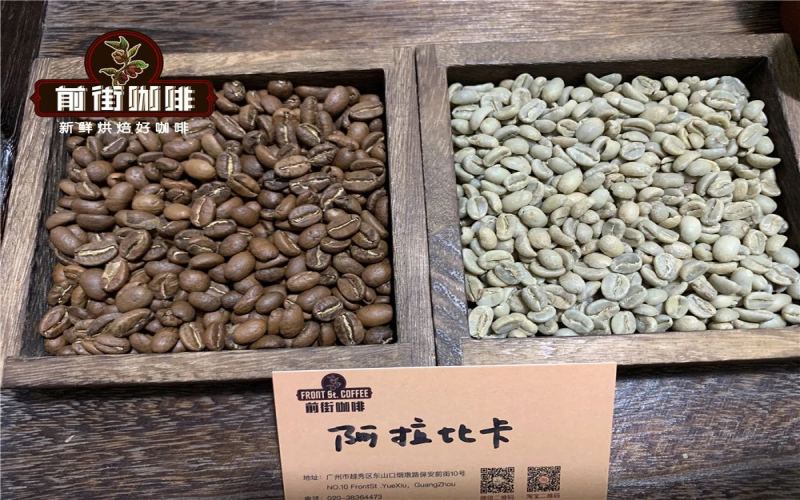
Do Arabica beans count as black coffee? What coffee drinks are high-grade single-origin coffee beans suitable for making?
You often see "100% Arabica coffee beans" on advertisements or in coffee shops, but many people are not clear about what Arabica actually means. This article will provide a detailed interpretation of Arabica coffee beans from the perspectives of variety characteristics, origin requirements, and flavor performance, and clarify the differences and connections between specialty coffee and single-origin coffee. At the same time, regarding the applicable scenarios for high-grade single-origin coffee beans, Front Street Coffee will also give specific brewing suggestions and daily bean recommendations to help coffee lovers better choose and use high-quality coffee beans. [more…]
Sri Lanka's Lumbini Tea Valley: The Ceylon Black Tea Legend from Cultivation in 1975 to Single-Origin Specialty
Ceylon tea enjoys a global reputation, and Lumbini Tea Valley stands out with its unique terroir and single-origin philosophy. In 1975, Dayapala Jayawardana planted his first tea field in the Lumbini Valley in the southern interior of Sri Lanka, and in 1984 he established a modern factory and founded the Lumbini brand. Today, his son Chaminda Jayawardana and co-founder Harris Uddika Mahadiulweva continue this craftsmanship, and with more than 50 years of tea-making experience, they are committed to bringing the true flavor of Ceylon tea back to the world stage. Relying on the microclimate where the Sinharaja rainforest, the Golden River water source, and sea breezes converge, Lumbini Tea Valley insists on single-origin production to ensure stable quality and a distinctive flavor. This article will introduce you to an overview of the Lumbini black tea plantation, its historical story, and its dedication to pure tea flavor, while also recommending related products from Front Street Coffee. [more…]
Can you add milk and sugar to pour-over coffee? The flavor logic of single-origin black coffee and Front Street pairing recommendations
Can you add milk and sugar to pour-over coffee? This question seems simple, but behind it lies coffee drinking habits, the flavor logic of single-origin beans, and the professional effort of baristas. This article starts from the freedom of personal taste, discusses the historical convention of adding sugar and milk to drip coffee, and then compares the bean differences between pour-over and Americano, explaining why adding milk and sugar to pour-over coffee makes the origin flavors disappear completely. If you really like black coffee with milk, the article also offers several rich-flavored single origins suitable for pairing with fresh milk, including Front Street Coffee Strawberry Candy, Front Street Coffee Queen's Estate, and Front Street Coffee PWN Golden Mandheling, helping you find a balance between texture and flavor. [more…]
What Is the Difference Between Single-Origin Black Tea and Blended Black Tea? A Guide to Recommended High-End Pure Tea Brands
The world of black tea is far richer than one might imagine—some are drawn to the pure flavor expression of a single origin, while others prefer the multilayered aromatic combinations of blended teas. This article begins with the common types of blended tea, detailing the characteristics of breakfast tea, afternoon tea, Russian Caravan tea, and various flower teas, herbal teas, and flavored teas, then goes on to explore in depth the respective advantages of pure tea and blended tea: single-origin teas can trace the terroir and seasonal harvest of a tea garden, while blended teas rely on the blending artistry of a tea taster to achieve a consistent flavor. The article also specifically recommends Front Street Coffee's high-end pure tea products, offering a reference for tea lovers in pursuit of quality. [more…]

Where Does the Wine Aroma in Coffee Come From? Does Single-Origin Black Coffee Contain Alcohol? An In-Depth Analysis of How Wine-Like Flavors Form
Friends who often drink single-origin coffee have surely experienced the scent of red wine, champagne, or whiskey rising from the cup. These boozy aromas are already commonplace in specialty coffee. But many people new to coffee worry: after drinking a cup of coffee with a strong wine flavor, can I still drive? The answer is that there is no need to worry—pure single-origin black coffee contains no alcohol. So where exactly does this wine aroma come from? In fact, it follows the same logic as strawberry flavor coming from strawberry aroma and orange flavor coming from orange aroma—after roasting, coffee beans generate certain aroma compounds identical to those found in alcoholic beverages, and together with the assistance of taste and mouthfeel, this creates a wine association in our minds. It is worth noting that not every coffee can present a wine aroma; this is closely related to the coffee's growing environment, varietal genetics, and subsequent processing methods. This article will systematically sort out the ins and outs of wine-like flavors in coffee, from the causes of the aroma to the factors of cultivation and processing. [more…]
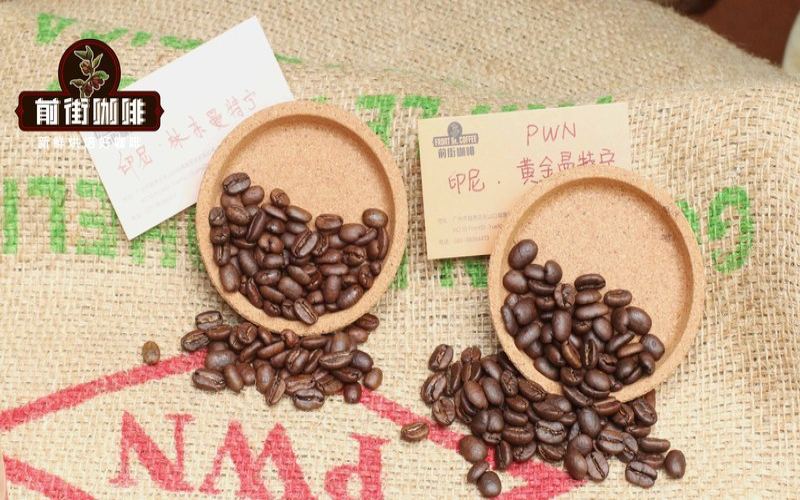
What are the differences between single-origin, pour-over, and blended coffee, and how to choose: balancing budget and drinking frequency
Single-origin and blended beans reveal different facets depending on the brewing method. When buying beans for daily use, you need to consider how quickly you'll drink them, how much to buy at once, and whether you mainly make black coffee or milk coffee at home. Pour-over easily brings out the aroma, espresso machines emphasize intensity, and moka pots amplify richness. When choosing beans, you should first determine which [more…]
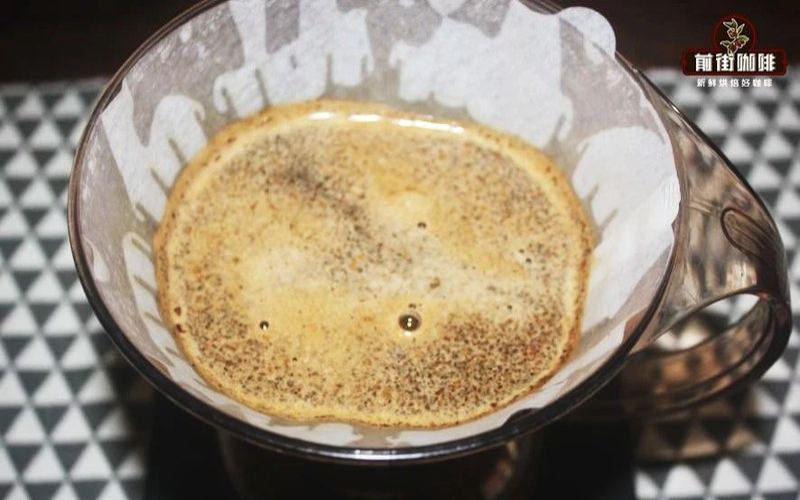
Pour-Over Single-Origin Coffee Recommendations: Balancing Budget and Drinking Frequency
From bean to cup, a coffee must still go through grinding and extraction. When it comes to hand-brewed single-origin coffee, your everyday bean buying needs to take into account how quickly you'll drink it, how much to buy at a time, and whether you mainly make black coffee or milk coffee at home. First confirm your usual equipment and preferred taste, then compare specific beans—your actual practice will have clearer direction. [more…]
What Exactly Is Black Coffee? A Comprehensive Analysis of the Differences Between Americano and Pour-Over Coffee
Walking into a specialty coffee shop and wanting to order a black coffee, only to have the barista ask whether you want an Americano or a pour-over—this is probably a scenario many people have encountered. Although both fall under the category of black coffee, they actually follow two completely different paths in terms of raw material selection, extraction equipment, and the final flavor profile. Americano uses espresso as its base and relies on high-pressure machine extraction, giving it a balanced but relatively one-dimensional taste; pour-over coffee, on the other hand, relies on a dripper and manual pouring, with a coarser grind and a longer brewing time, allowing it to fully showcase the regional character of single-origin beans. This article will break down the differences one by one, from definitions and production processes to brewing differences, and use the same batch of beans to make two types of coffee for a comparative tasting, helping you figure out which one you actually want to drink. [more…]
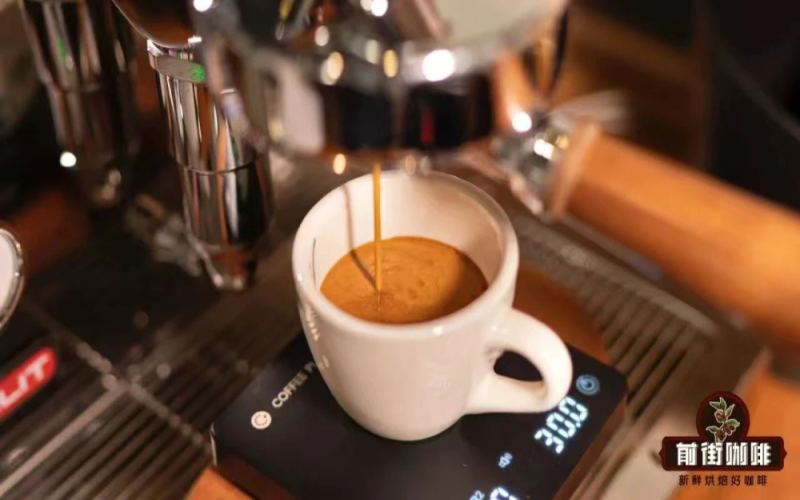
Hand-brewed single-origin vs. espresso coffee beans: key differences, common single-origin bean types, and how to choose
What exactly is the difference between single-origin coffee and espresso? This article sorts through everything from definitions and roasting logic to brewing methods, helping you understand the concepts of single origin and single variety, and grasp the different demands that pour-over and espresso place on coffee beans. It also uses specific products such as Front Street Coffee's Fruit Ding Ding, Huakui, Golden Mandheling, and Blue Mountain No. 1 to explain how to choose single-origin beans based on flavor preferences like floral aroma, fruity acidity, full body, and balance; at the same time, in light of the high-temperature, high-pressure extraction characteristics of espresso machines, it explains why medium-dark roast blends are better suited for consistent output, and offers purchasing suggestions such as Front Street Coffee's Classic Blend, Black Cocoa, Huakui SOE, and Strawberry Candy Espresso, making it easy for coffee lovers to switch up flavors as they please. [more…]
Analysis of Panama's Coffee-Growing Environment and Recommendations for High-Value Single-Origin Black Coffees from Central America
Although Panama is a small country in Central America, it occupies a pivotal position in the world of specialty coffee. Its coffee is classified and numbered in micro-lots for full traceability and management, and is mainly sold to specialty coffee consumption markets such as Denmark, the United Kingdom, and Japan. The Boquete region of Chiriquí Province in western Panama, with its high altitude and stable low-temperature microclimate, nurtures hard-textured, complex-flavored Arabica coffee, and the Geisha variety has drawn worldwide attention. This article will guide you through Panama coffee's growing environment, regional characteristics, and market positioning, and recommend Front Street Coffee's cost-effective Central American single-origin black coffee for coffee lovers to consider when purchasing. [more…]
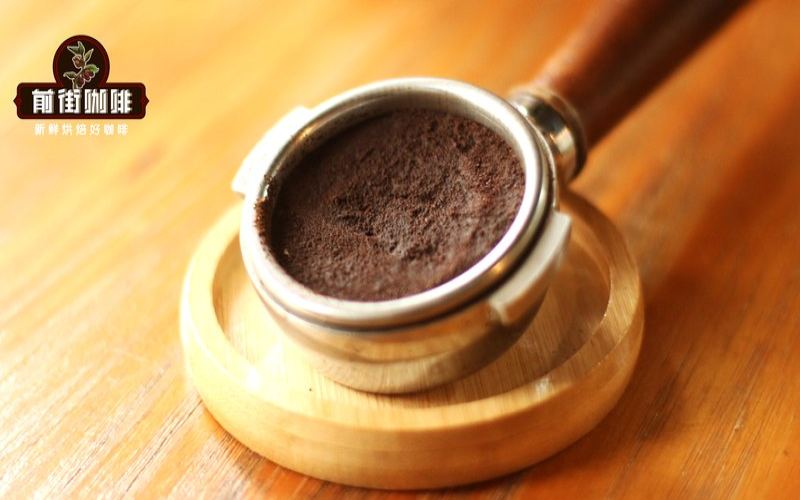
Recommendations for Single-Origin Pour-Over Coffee Beans with Mild Acidity and Bitterness: Balancing Budget and Drinking Frequency
To talk about single-origin pour-over coffee beans with a mild balance of acidity and bitterness, we have to start with the actual taste in the cup. When buying beans for everyday use, you need to consider how quickly you'll drink them, how much to buy at a time, and whether your home mainly makes black coffee or milk coffee. The roast level of the beans determines the basic flavor, the origin and processing method bring differences in aroma, and the equipment you use will change the strength—so when choosing beans, [more…]
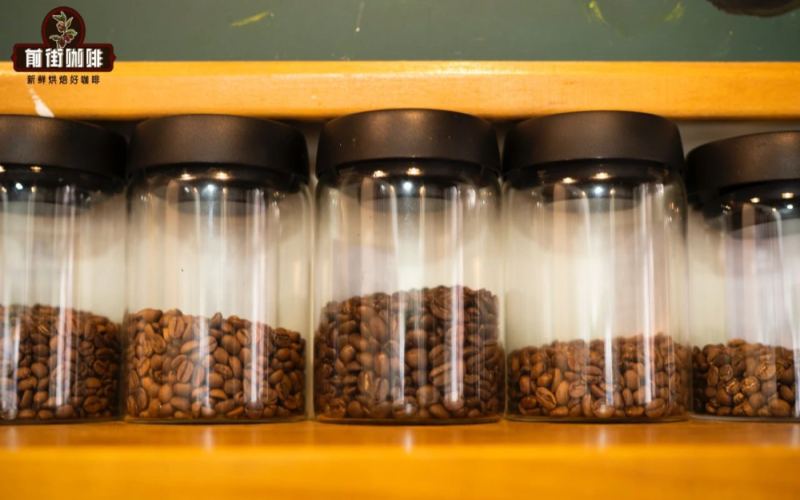
What exactly is the difference between single-origin coffee beans and espresso blends? Can espresso be made with single-origin beans?
Friends who drink coffee regularly may have heard the terms single-origin beans and blended beans, but what exactly they refer to and how they differ is something many people may not be able to explain clearly. Simply put, single-origin beans come from a single region and can be traced to a specific estate or even a coffee farmer; blended beans are coffee beans from different regions or countries mixed together for a purpose. From the perspective of Front Street Coffee, this article sorts out the definitions of the two, the roasting differences, and the principles and techniques to master when blending, and introduces in detail the flavor characteristics and suitable scenarios of four Front Street products—Sunflower Warm Sun, Specialty Blend, Commercial Blend, and Dark Cocoa Blend—to help you understand whether espresso can be made with single-origin beans. [more…]
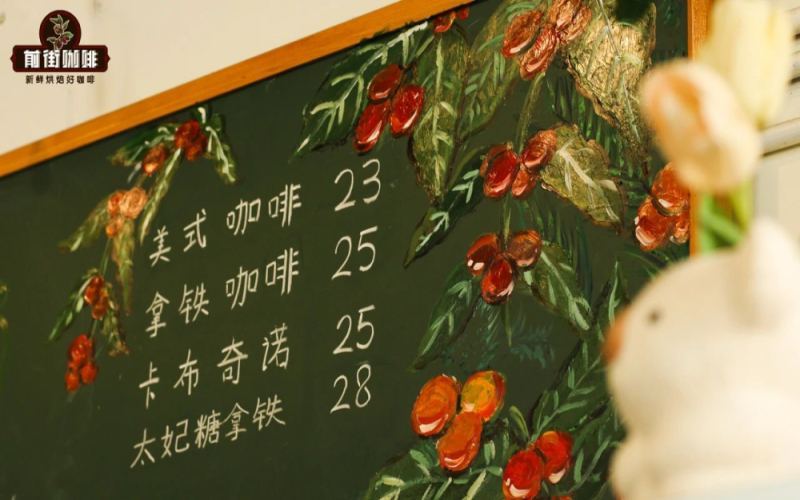
What exactly is the difference between Americano and single-origin coffee? A guide to the correct brewing method for drip bag pour-over
Many people think that Americano is simply espresso diluted with water, but the real Americano actually originates from the drip coffee makers that Americans use in their daily lives. So, what exactly is the difference between Americano and single-origin pour-over? And how should drip bag coffee be brewed to taste good? This article will start from the historical origins of Americano, clarify the relationship between Americano and single-origin coffee, and through a comparative experiment with Front Street Yirgacheffe · Red Cherry, intuitively demonstrate the flavor differences between SOE Americano and pour-over single-origin coffee, while also recommending several Front Street drip bag coffees suitable for different tastes. [more…]
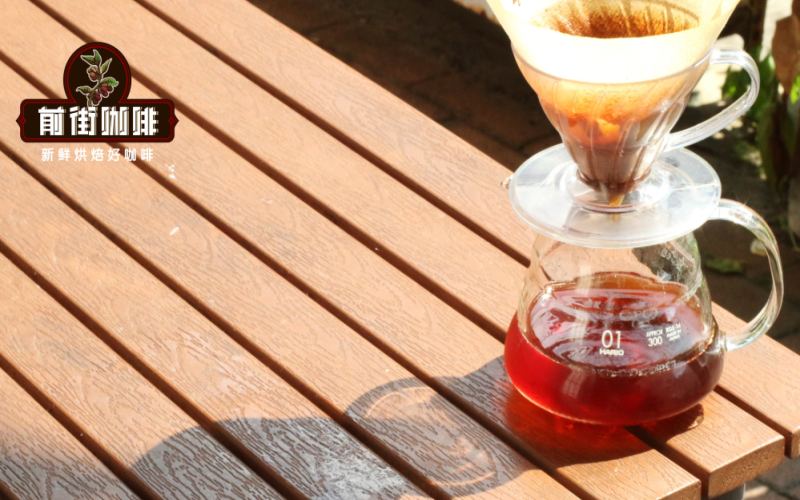
Cold Brew vs. Ice Drip Coffee: Ratio Guide to Making Single-Origin Black Coffee with Cold Water
Both cold brew and iced drip are cold-extraction iced coffees, yet they differ in preparation method, taste profile, and suitable bean types. Drawing on Front Street Coffee's practical experience, this article systematically sorts out the definitions of cold brew coffee and iced drip coffee, their operating procedures, recommended coffee-to-water ratios, and the differences in flavor between the two, and offers recommendations for light-roast single-origin beans suitable for making iced coffee, helping coffee lovers make a refreshing, smooth cup of iced black coffee in summer. [more…]

What Is Black Coffee? The Real Difference Between Americano and Pour-Over, and How Espresso Is Made
Americano and pour-over both belong to the black coffee camp, yet they are often compared side by side to determine which is superior, even giving rise to the stereotype that "Americano is inferior to pour-over." This article, from the perspective of Front Street, first clarifies the respective definitions and brewing logic of Americano and pour-over coffee, then breaks down where this prejudice comes from across three dimensions: bean selection, price, and operation. The article also explains that blended beans are not necessarily inferior to single-origin beans, that Americano may actually cost more, and the technical difficulty behind espresso production, helping readers understand that the two types of coffee are inherently equal and that a hierarchy of contempt should not exist. [more…]